


300,000+ app downloads. More than 1,000 merchants. And a new reality for businesses: accepting payments is no longer enough.
The digital payment landscape in Malaysia is changing quickly. As consumers become increasingly comfortable with online shopping, QR payments, mobile banking, and flexible payment options, merchants are facing a new challenge. The competition is no longer just about attracting customers — it is about converting them.
The biggest “red card” for merchants today is not failing to get attention. It is losing customers at the final stage of the buying journey.
The recent FIFA red card trend showed how quickly brands can react to cultural moments. From witty copy to creative visuals, businesses have found new ways to capture attention and stay relevant in fast-moving digital conversations. However, beyond marketing visibility, merchants face a more important business question: once customers are interested, how do businesses ensure they complete their purchase?
A customer may discover a product online, engage with a brand, and add an item to their cart. But if the checkout process is inconvenient, the preferred payment option is unavailable, or the transaction fails; that opportunity can disappear within seconds.
This is why the role of digital payments has evolved. What was once considered a competitive advantage has now become a basic expectation. Customers today expect businesses to provide smooth, flexible, and reliable payment experiences across different channels, whether they are shopping online, visiting a physical store, or purchasing through social commerce platforms.
For merchants, the question is no longer simply, “Can my business accept digital payments?” The bigger question is, “How can every transaction help my business grow?”
Every transaction creates valuable insights. A successful payment shows what works, while a failed transaction reveals where improvements can be made. Understanding payment preferences, transaction success rates, customer behaviour patterns, and potential friction points allows businesses to make better decisions and improve the overall customer experience.
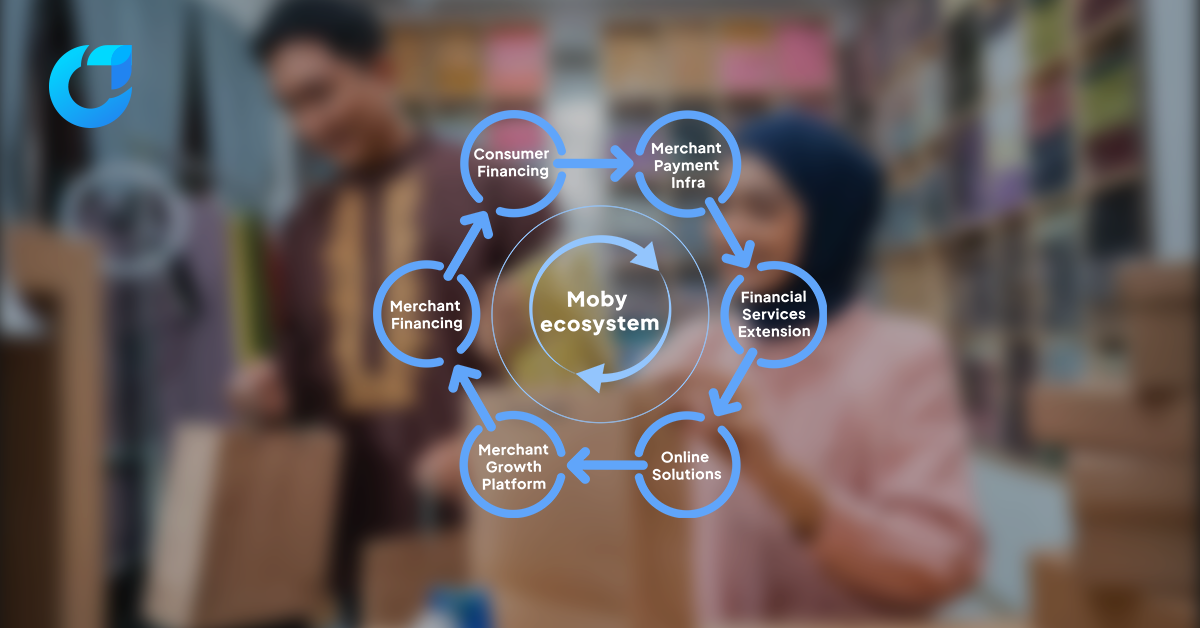
This shift is driving the next evolution of fintech in Malaysia. Financial technology is moving beyond payment processing and towards connected ecosystems that combine payments, customer insights, financing, and business tools. The future of fintech is not just about helping merchants collect payments — it is about helping them understand customers, improve performance, and unlock new growth opportunities.
With more than 300,000 accumulated app downloads and over 1,000 merchants within its ecosystem, Moby reflects this movement towards a more integrated merchant experience.
Through solutions such as Moby PayLater and Moby Islamic PayLater, merchants can provide customers with flexible instalment options that help improve affordability and reduce purchase hesitation. Meanwhile, solutions including Moby Terminal, Moby Smart Pay, Moby Checkout, and Moby PayLink enable merchants to accept payments across physical and digital channels.
Beyond payment acceptance, Moby’s Omni Dashboard helps merchants understand the story behind every transaction. The platform provides visibility into daily transaction success rates, failure reasons, root causes, and customer payment preferences. By turning transaction data into actionable insights, merchants can identify issues faster, improve payment performance, and make informed decisions based on real customer behaviour.
For businesses looking to expand, Moby Capital further supports merchants by providing financing solutions designed to assist with inventory needs, operational requirements, and business growth opportunities.
The future of commerce will not be defined only by businesses that attract the most attention. It will belong to businesses that can create smoother customer experiences, understand their data, and turn every interaction into an opportunity.
Trends will continue to come and go. Viral moments will eventually be replaced by new conversations. But one thing will remain constant: customers will always choose businesses that make buying easier.
Because the biggest “red card” for merchants today is not missing a trend.
It is losing a customer who was already ready to buy.